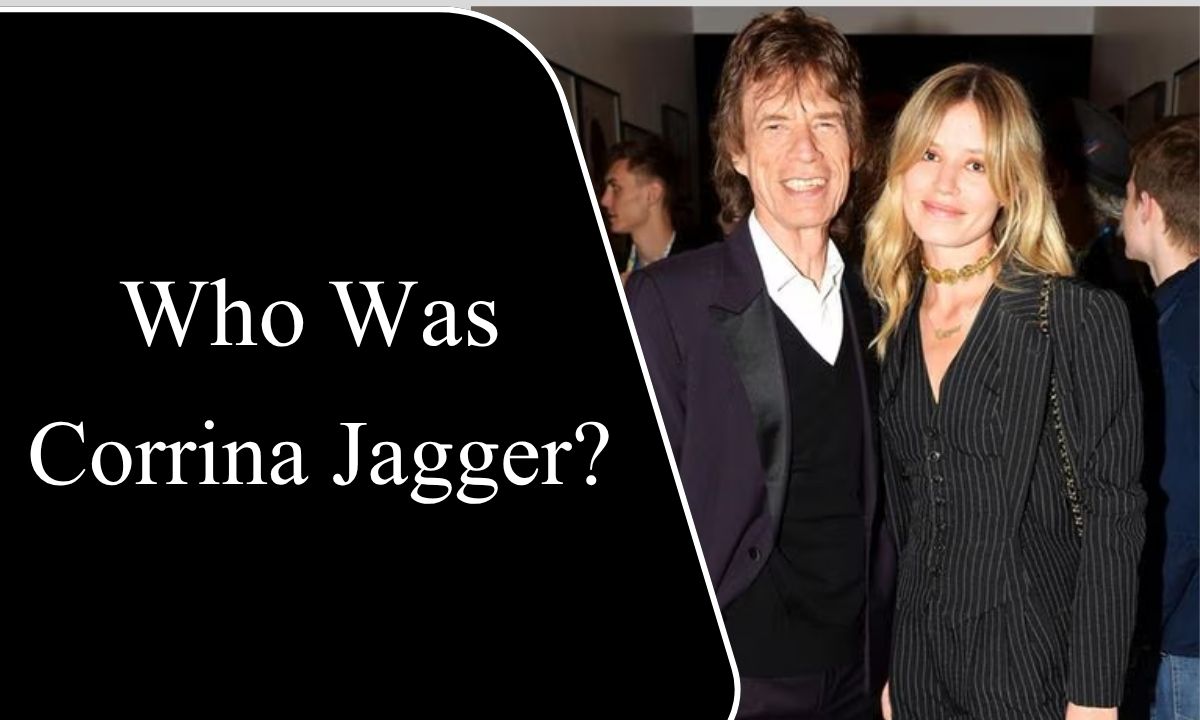
Who Was Corrina Jagger? Inside the Short Life and Lasting Impact on Mick Jagger’s Family
Some stories never make headlines yet reshape everything quietly. Corrina Jagger is one of them. Her life lasted only months inside the womb but left two of rock’s most iconic figures permanently changed. This is the story the world rarely tells.
Behind every glittering celebrity life hides real human pain. Mick Jagger and Marianne Faithfull seemed untouchable in 1968. Yet that same year, they suffered a loss so profound it altered their relationship, their mental health, and their music forever. Corrina Faithfull Jagger deserves more than a footnote.
Don’t Miss: Who Is Thomas Schafenacker Partner? The Truth Nobody Tells You
Corrina Jagger Biography
The Corrina Jagger biography begins and ends in 1968. She never lived outside the womb. Her full name, Corrina Faithfull Jagger, carries both her parents’ identities. Most sources record her loss on November 21, 1968, at approximately seven months gestation.
Corrina Jagger public records are almost nonexistent. No official birth or death certificate has surfaced publicly. What we know comes primarily from Marianne Faithfull biography accounts and various music history biographies referencing the couple’s most painful private chapter.
| Detail | Information |
| Full Name | Corrina Faithfull Jagger |
| Also Spelled | Corinna Jagger |
| Born/Lost | November 21, 1968 |
| Type of Loss | Stillbirth |
| Mother | Marianne Faithfull |
| Father | Mick Jagger |
| Gestational Age | Approximately 7 months |
| Parents Together | 1966 to 1970 |
| Notable Impact | Deepened Faithfull’s emotional struggles |
| Publicly Mentioned In | Multiple Jagger and Faithfull biographies |
Who Is Corrina Jagger?
Who was Corrina Jagger? Simply put, she was the Corrina Jagger stillborn daughter of Mick Jagger and Marianne Faithfull. She never breathed outside the womb. Her Corrina Jagger identity exists entirely within the quiet pages of rock history and personal biography.
The Corrina vs Corinna spelling debate comes from inconsistent historical records. Different biographers used different spellings. Both versions refer to the same person. Neither is definitively wrong, just historically imprecise.
Her story represents something bigger than spelling. She stands as proof that behind every rock legend lives a deeply human person. Corrina Jagger history reminds us that fame never shields anyone from grief.
Why Write About Corrina Jagger?
Writing about Corrina Jagger story serves a real purpose. It humanizes two iconic public figures. It preserves a piece of celebrity tragedy 1960s history that deserves more than silence. Readers connect with grief because grief is universal.
There is also ethical responsibility here. Corrina Jagger biography details must be handled carefully. Sensationalism helps nobody. Accuracy and empathy together create writing that honors rather than exploits a family’s pain.
What happened to Corrina Jagger is a question people keep asking. They aren’t asking out of gossip. They are asking because loss behind fame is deeply relatable. That curiosity, handled respectfully, becomes meaningful storytelling.
Meet Corrina Jagger: Daughter of Mick Jagger
Corrina Jagger entered existence during one of rock history’s most electric moments. Her father fronted the Rolling Stones. Her mother was an iconic folk singer and actress. She was born into the brightest spotlight imaginable yet never saw it herself.
She is a real entry in the Jagger family tree, not a rumor or a myth. Her Corrina Jagger parents were unmarried at the time of her loss. That detail mattered more socially in 1968 than it would today.
The lost child of rock star narratives rarely get told honestly. Most celebrity coverage skips the painful parts. Corrina Faithfull Jagger deserves honest, compassionate recognition as a daughter who mattered deeply.
The Basic Facts: Who Was Corrina Jagger?
Corrina Jagger facts are limited but important. She was lost at approximately seven months. Her parents were not married. No public records confirm medical details. Biographies remain the primary source for everything we know about Corrina Jagger birth and death.
| Fact | Detail |
| Year of Loss | 1968 |
| Parents at the Time | Unmarried couple |
| Gestational Age | Approximately 7 months |
| Publicly Known | Mentioned in select biographies |
| Spelling Variations | Corrina, Corinna |
| Official Records Available | None publicly confirmed |
The absence of records isn’t unusual for this era. Stillbirth in 1960s Britain and America carried enormous social stigma. Families grieved privately. Public figures especially kept such losses hidden from press and public alike.
The Parents: Short Context
Mick Jagger Marianne Faithfull relationship began around 1966. Both were rising stars navigating the wildest decade in modern music. They looked like a perfect match. They were passionate, creative, and deeply troubled beneath the surface.
Their relationship existed under enormous public scrutiny. Every move got photographed and analyzed. Yet their most painful private moments stayed completely hidden from that same public eye throughout their years together.
The Swinging London era glamorized everything around them. Fashion, music, and counterculture collided beautifully. But glamour doesn’t protect anyone from loss. By 1968, the cracks in their relationship were already deepening steadily.
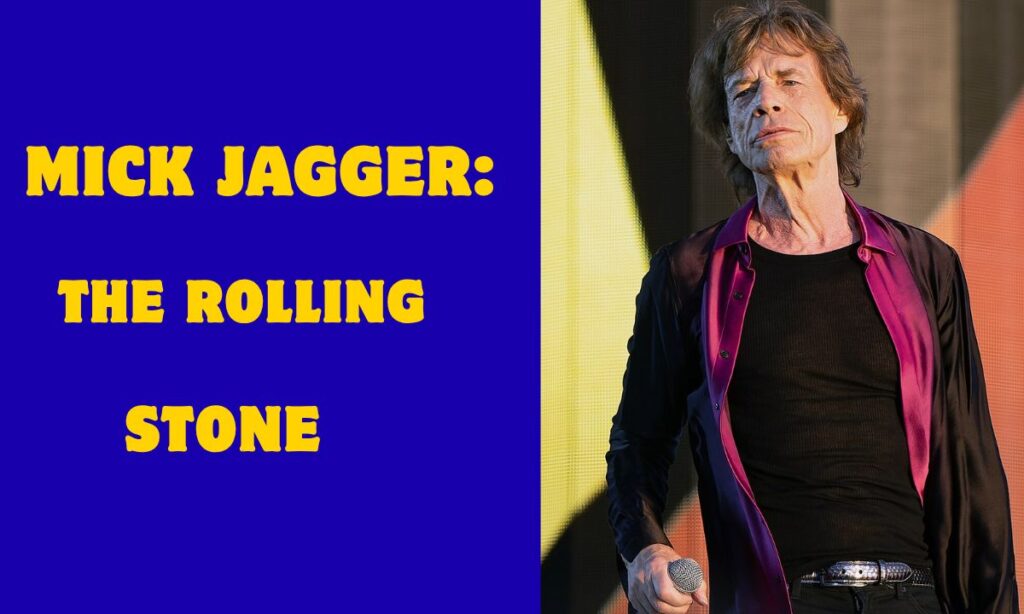
Mick Jagger: The Rolling Stone
| Role | Detail |
| Band | The Rolling Stones |
| Fame Era | Mid-1960s onward |
| Public Image | Rebellious rock icon |
| Private Life | Carefully guarded |
Mick Jagger family history shows a man who compartmentalized brilliantly. He gave the world his music and kept his grief entirely to himself. Mick Jagger lost daughter is a phrase rarely discussed in interviews because Jagger rarely invited that conversation.
His silence on Corrina Jagger wasn’t coldness. Silence was simply how men of that generation, especially famous ones, processed devastating loss. It stayed inside the music and inside the man.
The Parents: A Swinging London Fairytale
The Mick Jagger Marianne Faithfull relationship looked like a fairytale from the outside. They attended the best parties, wore the most iconic fashion, and moved through London like royalty. Nobody saw the cracks forming underneath all that shine.
Celebrity tragedy 1960s rarely made headlines because the press respected certain boundaries then. Personal loss stayed personal. The couple maintained their glamorous image even as their private world was beginning to fracture significantly.
By the time Corrina Jagger 1968 entered the story, the fairytale was already under serious strain. The loss didn’t create the problems. It accelerated everything that was already quietly breaking between them.
Corrina Jagger Death
Corrina Jagger death refers specifically to the stillbirth that occurred in November 1968. She was approximately seven months along. No confirmed medical explanation has ever appeared in public sources. The loss was devastating and deeply private.
When did Corrina Jagger die? Most sources point to November 21, 1968. Corrina Jagger age at death is measured not in years but in months of gestation. She never reached full term and never experienced life outside the womb.
Stillbirth in 1960s society carried stigma that made open grieving nearly impossible. Hospitals weren’t equipped emotionally or medically to support families the way modern medicine attempts to do. Parents were often simply told to move forward.
The Tragic Event: Loss at Seven Months
Corrina Faithfull Jagger stillbirth happened at a moment when both parents were already stretched thin emotionally. Seven months is far enough into pregnancy for a mother to feel every movement and imagine every future. Losing a child at that stage is not a small grief.
Timeline of Events:
- 1966: Jagger and Faithfull begin their relationship
- 1968: Marianne Faithfull pregnancy confirmed
- November 1968: Corrina Jagger stillbirth
- 1970: Couple separates permanently
No public funeral took place. No statement went out to the press. Corrina Jagger real name and story stayed largely buried in private memory until biographers began piecing together both parents’ histories years later.
The Aftermath: A Relationship Unraveling
Marianne Faithfull child loss triggered a period of serious personal decline. Biographers consistently link the stillbirth to her deepening struggles with addiction and depression. The grief had nowhere healthy to go in that era so it went inward instead.
Emotional trauma after stillbirth shows up differently in different people. For Faithfull, it manifested visibly in her public behavior and personal choices throughout the late 1960s. For Jagger, it disappeared behind a wall of silence and performance.
By 1970, the relationship was over. The Marianne Faithfull relationship with Mick Jagger ended not with a single dramatic moment but with years of accumulated pain finally becoming too heavy to carry together anymore.
Corrina’s Faint Echo in the Music
Did Corrina Jagger influence the music? No song carries her name officially. No Rolling Stones track was dedicated to her publicly. But grief in celebrity life has a way of seeping into creative work without announcement or credit.
Several biographers note a heavier emotional quality in Jagger’s songwriting after 1968. Whether that connects directly to Corrina Jagger story is impossible to confirm. What’s certain is that loss changes artists, even when they never speak about it directly.
Marianne Faithfull’s later work, particularly her 1979 comeback album, carried unmistakable weight. The emotional trauma after stillbirth she experienced in 1968 almost certainly informed the raw honesty of her best musical work in the years that followed.
Mick Jagger Children
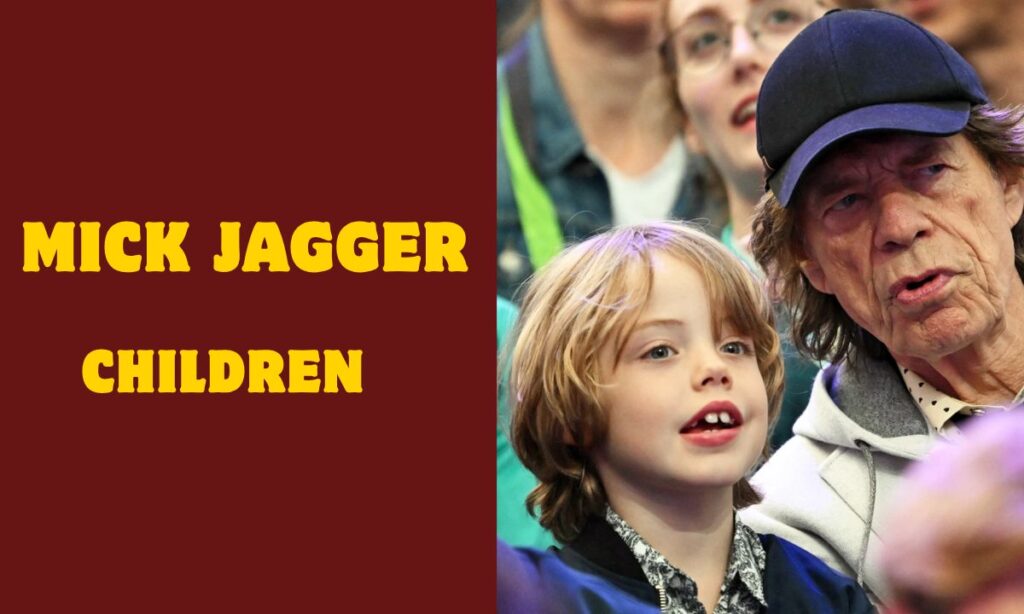
Mick Jagger children list includes eight when Corrina is rightfully counted. She belongs on every list that claims to document his family completely. Omitting her is historically inaccurate and emotionally dismissive of a real loss.
| Child | Mother | Birth Year |
| Corrina Jagger | Marianne Faithfull | 1968 (stillborn) |
| Karis Jagger | Marsha Hunt | 1970 |
| Jade Jagger | Bianca Jagger | 1971 |
| Elizabeth Jagger | Jerry Hall | 1984 |
| James Jagger | Jerry Hall | 1985 |
| Georgia Jagger | Jerry Hall | 1992 |
| Gabriel Jagger | Jerry Hall | 1997 |
| Deveraux Jagger | Melanie Hamrick | 2016 |
Mick Jagger daughter Corrina deserves the same acknowledgment as every other child in that list. Her life was brief but real. Her absence shaped her father’s story whether he discussed it publicly or not.
Cultural and Emotional Context: 1960s Fame and Privacy
Rock star family life in the 1960s operated under completely different rules than today. There was no social media. No expectation of public emotional disclosure. Famous people grieved privately because that was simply what society demanded of them then.
Grief in celebrity life during this era was treated as weakness. The press wasn’t supportive, it was hungry for scandal. Showing vulnerability publicly could destroy a career. So Jagger and Faithfull did what everyone else did: they stayed quiet.
Celebrity tragedy 1960s now reads differently through a modern lens. We understand grief better. We talk about pregnancy loss openly. But in 1968, Corrina Jagger lived and died in near-total public silence because that era gave them no other option.
How the Loss Is Described in Biographies and the Press
Music history biographies covering Mick Jagger consistently mention the 1968 stillbirth with sensitivity. It appears as a turning point in the Jagger-Faithfull narrative. Most biographers treat it as one of the most humanizing moments in his entire personal history.
Marianne Faithfull biography accounts go deeper. Faithfull herself has referenced this period as foundational to understanding her subsequent struggles. Her willingness to discuss it, even obliquely, gave the story its most credible documentation.
Press coverage in 1968 was virtually nonexistent on this topic. Modern journalism revisits Corrina Jagger history because readers demand the full human story behind the rock legend image. The press then protected privacy. The press now prioritizes completeness.
Why Corrina’s Story Still Appears in Modern Reporting
Who was Corrina Jagger remains one of the most searched questions attached to Mick Jagger’s personal life. Digital search culture keeps lesser-known stories alive indefinitely. Every new biography, documentary, or anniversary piece brings her name back into conversation.
Tragic celebrity stories resonate because they remind us that fame doesn’t equal immunity from pain. American audiences especially respond to narratives about private suffering behind public success. It’s a story pattern that never loses its emotional power or relevance.
Corrina Jagger legacy lives in the questions people keep asking. As long as readers seek the complete, honest picture of who Mick Jagger and Marianne Faithfull really were, Corrina Jagger story will continue to appear in that answer.
Pros and Cons: Reading Celebrity Tragedy in Public Sources
| Pros | Cons |
| Humanizes iconic public figures | Risk of sensationalizing grief |
| Preserves overlooked history | Limited verified facts available |
| Educates on stillbirth in the 1960s | Privacy concerns for living family |
| Honors a brief but real life | Potential for misinformation |
| Builds empathy around pregnancy loss | Spelling variations cause confusion |
Reading tragic celebrity stories responsibly means prioritizing empathy over curiosity. It means acknowledging what isn’t confirmed. It means treating Corrina Faithfull Jagger as a person rather than a plot point in someone else’s famous life story.
A Lasting Impact: The Family Tree
Corrina Jagger may occupy the smallest entry in the Jagger family tree but her impact is anything but small. She changed two people permanently. Marianne Faithfull’s entire subsequent decade was shaped by the grief that began in November 1968.
Mick Jagger family history is richer and more honest when it includes her. Leaving her out creates a false picture of who he was privately. Corrina Jagger lasting impact shows up in everything that came after: the music, the relationships, and the silence.
Her full name, Corrina Faithfull Jagger, carries both her parents’ legacies. She deserves more than a footnote. She deserves to be remembered as a real presence, however brief, in one of music history’s most complex and deeply human family stories.
Frequently Asked Questions
Who was Corrina Jagger?
Corrina Jagger was the stillborn daughter of Mick Jagger and Marianne Faithfull, lost in November 1968 at approximately seven months of gestation.
When did Corrina Jagger die?
She was lost on November 21, 1968, before reaching full term.
Why do sources spell her name differently?
Historical records from the 1960s were inconsistent. Both Corrina and Corinna appear across various biographies.
Who is Mick Jagger’s oldest surviving daughter?
Karis Hunt Jagger, born in 1970 to singer Marsha Hunt.
Did the loss affect Marianne Faithfull’s career?
Yes. Biographers directly link the stillbirth to her emotional struggles and addiction in the years that followed.
Are there photos of Corrina Jagger?
No public photos exist. She died before birth and remained entirely private.
Is there an official birth or death certificate?
None has appeared in any publicly available source.
Was Corrina Faithfull’s only child with Jagger?
Yes. She was the only child from their relationship.
Conclusion
Who was Corrina Jagger? She was a daughter. She was real. She was loved. The Corrina Jagger story reminds us that behind every rock legend lives an ordinary human heart capable of extraordinary grief. Her brief existence shaped two iconic lives in ways the public rarely saw.
Corrina Faithfull Jagger belongs in every honest account of Mick Jagger’s life and legacy. She belongs in the Jagger family tree. She belongs in the conversation about what fame costs in private. Her name deserves to be spoken with respect, not whispered as an afterthought.
The next time someone asks who was Corrina Jagger, the answer should be immediate and clear. She was a daughter who mattered. A life that lasted months but left a mark that never fully faded from two of the greatest names in the history of rock and roll.